Early 1960s
The Name from a Swimming Pool
[Piscine Molitor Patel](entity:character-recall-character-piscine-molitor-pat-1e25599c4e38) was named after the celebrated [Piscine Molitor Swimming Pool](entity:location-recall-location-piscine-molitor-afb6cc4b9818) in [Paris](entity:location-recall-location-657453741ed3). His father had never cared for swimming, but [Francis Adirubasamy](entity:character-recall-character-francis-adirubasamy-f117a619dc98)’s stories about the pool had made such an impression on the family that its name became the boy’s.
Pi Patel’s early childhood
A Childhood in the Zoo
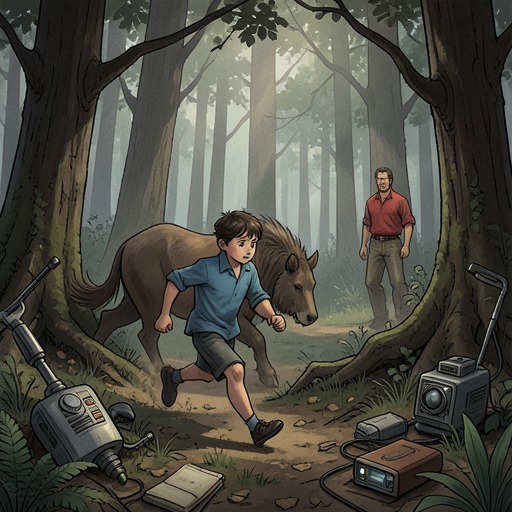
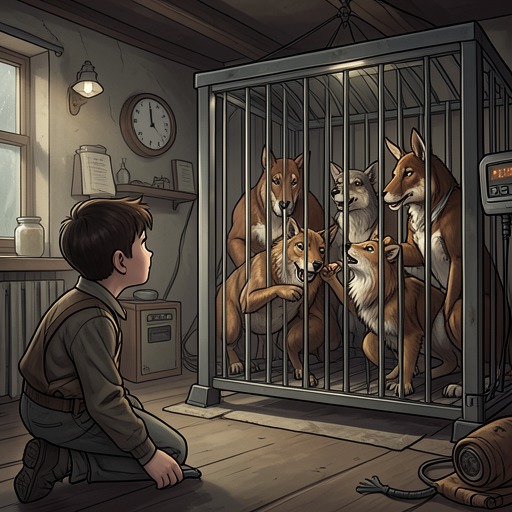
[Pi Patel](entity:character-recall-character-pi-patel-621e4f618a87) grew up on the grounds of the [Pondicherry Zoo](entity:location-recall-location-pondicherry-zoo-1fa443452cf1), where [Santosh Patel](entity:character-recall-character-santosh-patel-a922b468fe3c) ran the family business. To the boy, the zoo was a whole world: its animals, keepers, paths, and daily rhythms made childhood feel like a life in a private kingdom.
Around age seven
Learning to Swim
[Francis Adirubasamy](entity:character-recall-character-francis-adirubasamy-f117a619dc98) began teaching [Pi Patel](entity:character-recall-character-pi-patel-621e4f618a87) to swim, first in the sea and then in the formal pool at [Aurobindo Ashram](entity:organization-recall-organization-aurobindo-ashram-2978196f61eb). The patient lessons became a recurring ritual, and swimming eventually turned from instruction into a pleasure that gave Pi confidence in the water.
Age twelve
The Humiliation of His Name
At [St. Joseph’s School](entity:organization-recall-organization-st-joseph-s-scho-eda1b76cd16c), classmates twisted Piscine into a cruel joke, calling him by a name that made him dread roll call. The insult followed him into lessons and stayed painful even when teachers repeated it without intending harm.
The first day at Petit Seminaire
Pi Reclaims His Name
At his new school, [Pi Patel](entity:character-recall-character-pi-patel-621e4f618a87) pre-empted the ridicule by walking to the blackboard and announcing his chosen name. He wrote Pi, underlined its opening letters, and added the mathematical symbol and a circle divided by a diameter.
During Pi’s adolescence
An Atheist Teacher at the Zoo
[Pi Patel](entity:character-recall-character-pi-patel-621e4f618a87)’s biology teacher, Satish Kumar, openly rejected religion and trusted scientific reason. Their conversations at the zoo unsettled Pi but also taught him that atheists, like believers, could make a leap of faith about what ultimately mattered.
When Pi Patel was eight
The Goat and the Tiger
Concerned that his sons might mistake zoo animals for harmless playmates, [Santosh Patel](entity:character-recall-character-santosh-patel-a922b468fe3c) took Pi and [Ravi Patel](entity:character-recall-character-ravi-patel-9bfbb2d38e78) to see a tiger kill a goat. Pi was horrified, but his father insisted that the lesson could save their lives: a tiger was not a pet.
Age fourteen
Discovering Christianity
On a family trip to [Munnar](entity:location-recall-location-2d83697a2482), [Pi Patel](entity:character-recall-character-pi-patel-621e4f618a87) entered a church and met [Father Martin](entity:character-recall-character-father-martin-9cf710720e65). The priest explained the Christian story of God’s Son suffering for humanity, a story Pi initially found strange and difficult to accept.
A few days after meeting Father Martin
Pi Chooses Christianity
[Pi Patel](entity:character-recall-character-pi-patel-621e4f618a87) returned to the church after wrestling with the idea of a divine figure who accepted humiliation and death out of love. He told [Father Martin](entity:character-recall-character-father-martin-9cf710720e65) that he wanted to become a Christian, and the priest welcomed him as someone who had already met Christ in good faith.
About a year after Pi’s conversion
The Baker’s Prayer
While exploring [Pondicherry](entity:location-recall-location-f47b1c95263c), [Pi Patel](entity:character-recall-character-pi-patel-621e4f618a87) met a Muslim baker near [Jamia Masjid](entity:organization-recall-organization-jamia-masjid-95481b60150e). The baker invited him inside, then interrupted their conversation to pray on a carpet in the middle of his workplace.
Age fifteen
Pi Begins Practicing Islam
[Pi Patel](entity:character-recall-character-pi-patel-621e4f618a87) returned to learn more about Islam from the baker, who described it as a religion of the Beloved. Pi joined the prayers at the mosque and found the physical act of bringing his forehead to the ground a powerful form of communion.
During Pi’s teenage years
Three Faiths in One Home
[Pi Patel](entity:character-recall-character-pi-patel-621e4f618a87) quietly practiced Hinduism, Christianity, and Islam, while his parents assumed his religious interests were ordinary youthful curiosity. At home, his devotions were expressed through prayer and ritual rather than through any single public declaration.
When Pi Patel was sixteen
The Promenade Dispute
On the [Pondicherry](entity:location-recall-location-f47b1c95263c) seafront, [Pi Patel](entity:character-recall-character-pi-patel-621e4f618a87)’s Hindu pandit, Muslim imam, and Christian priest encountered him and his parents together. Each religious leader insisted Pi belonged to his faith, and the men soon turned their defense of religion into accusations against one another.
During the seafront confrontation
Pi Defends His Devotion
Asked to choose between the three religions, [Pi Patel](entity:character-recall-character-pi-patel-621e4f618a87) said that he only wanted to love God. His father ended the confrontation by observing that this was what everyone was trying to do, and the family moved on together in embarrassed silence.
Soon after the seafront dispute
A Prayer Rug and Baptism
[Pi Patel](entity:character-recall-character-pi-patel-621e4f618a87) asked his father for baptism and a prayer rug. His parents hesitated, but neither forbade him; he began praying outdoors on the rug and was eventually baptized with his mother present and his father watching stiffly.
1975–1976
The Family Faces Political Turmoil
[The Indian Emergency](entity:event-recall-event-2f14310fdcce) and the suspension of constitutional protections intensified [Santosh Patel](entity:character-recall-character-santosh-patel-a922b468fe3c)’s fears about the country’s future. When the [Government of Tamil Nadu](entity:organization-recall-organization-2d3a1bdaf81c) was dissolved, he took it as a final warning that political instability could endanger the family and the zoo.
1976
The Decision to Emigrate
[Santosh Patel](entity:character-recall-character-santosh-patel-a922b468fe3c) decided that the family should leave [India](entity:location-recall-location-india-39df7eae59c1) for [Canada](entity:location-recall-location-ed6a2f8d0910), hoping to give his children a more secure future. [Pi Patel](entity:character-recall-character-pi-patel-621e4f618a87) and [Ravi Patel](entity:character-recall-character-ravi-patel-9bfbb2d38e78) were stunned by the prospect of moving to a country that seemed remote and unfamiliar.
During the year before departure
The Zoo Animals Are Sold
The Patel family arranged the sale and transfer of the [Pondicherry Zoo](entity:location-recall-location-pondicherry-zoo-1fa443452cf1)’s animals to zoos abroad. The negotiations, permits, veterinary checks, and shipping arrangements took more than a year, turning the move into a vast logistical undertaking.
June 21, 1977
Farewell to Pondicherry
[Pi Patel](entity:character-recall-character-pi-patel-621e4f618a87), his parents, and [Ravi Patel](entity:character-recall-character-ravi-patel-9bfbb2d38e78) left [Madras](entity:location-recall-location-2f502e037d6d) aboard the cargo ship [Tsimtsum](entity:object-recall-object-tsimtsum-27fdd185713f). Their departure was full of practical bustle, but Pi’s mother lingered over familiar Indian goods, sensing that the life she knew was about to disappear.
July 2, 1977
The Ship Sinks
Four days after leaving [Manila](entity:location-recall-location-3c451f691d68), the [Tsimtsum](entity:object-recall-object-tsimtsum-27fdd185713f) sank in the Pacific. [Pi Patel](entity:character-recall-character-pi-patel-621e4f618a87) woke to a storm and discovered water flooding the ship; as he searched for help, the vessel listed and went down with his family aboard.
July 2, 1977, during the sinking
The Crew Throws Pi Overboard
[Pi Patel](entity:character-recall-character-pi-patel-621e4f618a87) reached several crewmen on the bridge and trusted them to help him. They thrust a life jacket into his arms, carried him to a lifeboat, and threw him overboard toward it without explaining what they were doing.
July 2, 1977, moments after Pi is thrown overboard
The Zebra Lands in the Lifeboat
[Pi Patel](entity:character-recall-character-pi-patel-621e4f618a87) landed on the lifeboat’s tarpaulin, and a large zebra crashed onto a bench beside him. The injured animal’s arrival shook the boat and left Pi trapped with a wild creature while the storm continued around them.
July 2, 1977, shortly after the shipwreck
Pi Rescues Richard Parker
Seeing a tiger struggling in the water, [Pi Patel](entity:character-recall-character-pi-patel-621e4f618a87) called to him and threw him a lifebuoy. Once [Richard Parker](entity:character-recall-character-richard-parker-dba69f68b218) climbed aboard, Pi understood the danger and leapt into the sea himself.
The first morning at sea
Orange Juice Arrives
[Orange Juice](entity:character-recall-character-orange-juice-73d546961185) floated toward the lifeboat on a mass of bananas and stepped aboard in a state of shock. [Pi Patel](entity:character-recall-character-pi-patel-621e4f618a87) took in the sight of the familiar orangutan with grief and wonder, while the cargo net that carried the fruit became one of his few useful possessions.
The first days after the sinking
The Hyena Attacks the Zebra
A spotted hyena emerged from beneath the tarpaulin and began circling the cramped boat. It eventually tore into the zebra, first taking its injured leg and later consuming it while the animal remained alive.
Soon after the zebra dies
Orange Juice Fights Back
When the hyena attacked [Orange Juice](entity:character-recall-character-orange-juice-73d546961185), she struck it with her powerful arms and briefly drove it back. The defense could not overcome the hyena’s greater experience as a predator, and it killed and beheaded her.
Three days after the sinking
Richard Parker Kills the Hyena
[Pi Patel](entity:character-recall-character-pi-patel-621e4f618a87) finally saw [Richard Parker](entity:character-recall-character-richard-parker-dba69f68b218) emerge from beneath the tarpaulin and kill the hyena. The tiger’s presence explained the animals’ strange reluctance to approach Pi, but it also made clear that the boy’s survival depended on keeping a powerful predator at a distance.
The third day after the sinking
Pi Finds the Emergency Supplies
Driven by thirst, [Pi Patel](entity:character-recall-character-pi-patel-621e4f618a87) searched the lifeboat and found a storage locker beneath a hinged lid. It held canned drinking water, emergency rations, tools, and other supplies, transforming his immediate prospects from near-certain death to a difficult but possible struggle.
The first days after the sinking
The First Refuge on an Oar
[Pi Patel](entity:character-recall-character-pi-patel-621e4f618a87) rigged an oar and lifebuoy into a precarious perch outside the lifeboat, trying to stay clear of [Richard Parker](entity:character-recall-character-richard-parker-dba69f68b218). He began to understand the boat as divided territory: the tiger below the tarpaulin, Pi exposed above the water.
Within the first week at sea
A Raft from Life Jackets
After [Richard Parker](entity:character-recall-character-richard-parker-dba69f68b218) killed the hyena, [Pi Patel](entity:character-recall-character-pi-patel-621e4f618a87) built a small raft from oars, life jackets, and the lifebuoy. He tethered it to the lifeboat, creating a fragile place to sleep and work while keeping a buffer between himself and the tiger.
The first week at sea
Learning the Lifeboat’s Limits
[Pi Patel](entity:character-recall-character-pi-patel-621e4f618a87) studied the lifeboat and its supplies, realizing that survival would depend on careful use of food, water, and equipment. The survival manual offered practical advice, but it could not teach him how to share a tiny boat with a [Bengal tiger](entity:creature-recall-creature-a08261312556).
The first week at sea
Pi Kills His First Fish
Unable to catch fish with his shoe as bait, [Pi Patel](entity:character-recall-character-pi-patel-621e4f618a87) later seized flying fish during a swarm and killed one to use as bait. His lifelong vegetarianism made the act wrenching, but hunger soon forced him to learn how to fish and feed himself.
Within the first week at sea
Fresh Water from the Stills
[Pi Patel](entity:character-recall-character-pi-patel-621e4f618a87) checked the solar stills and discovered that they had produced fresh water from seawater. The result gave him a renewable source of drinking water and, eventually, a way to provide for [Richard Parker](entity:character-recall-character-richard-parker-dba69f68b218) as well.
The first week after the shipwreck
Taming Begins with a Whistle
[Pi Patel](entity:character-recall-character-pi-patel-621e4f618a87) recognized that he could not survive indefinitely by hiding from [Richard Parker](entity:character-recall-character-richard-parker-dba69f68b218). Using the lifeboat as a circus ring, a whistle as a warning, and the tiger’s fear of the sea as leverage, he began to establish himself as the animal’s dominant companion.
Weeks after the sinking
The Sea Becomes a Routine
[Pi Patel](entity:character-recall-character-pi-patel-621e4f618a87) developed a daily cycle of prayer, fishing, tending the solar stills, maintaining his raft, and watching [Richard Parker](entity:character-recall-character-richard-parker-dba69f68b218). Repetition kept his hands occupied and his mind from being overwhelmed by grief or the endless emptiness of the ocean.
During the early months at sea
A Fight with a Mako Shark
[Pi Patel](entity:character-recall-character-pi-patel-621e4f618a87) pulled a mako shark into the lifeboat, where [Richard Parker](entity:character-recall-character-richard-parker-dba69f68b218) attacked it with his paws and jaws. The tiger was injured in the struggle, revealing that even his strength could be tested by the unpredictable life surrounding the boat.
After Pi learns to fish
Pi Stares Down the Tiger
When a large dorado brought [Richard Parker](entity:character-recall-character-richard-parker-dba69f68b218)’s attention onto him, [Pi Patel](entity:character-recall-character-pi-patel-621e4f618a87) could not retreat in time. He met the tiger’s gaze and held it until Richard Parker turned away, a hard-won moment that strengthened Pi’s sense of mastery.
During the months at sea
Hunting Becomes Necessary
[Pi Patel](entity:character-recall-character-pi-patel-621e4f618a87) learned to catch fish and turtles, butcher them, and give [Richard Parker](entity:character-recall-character-richard-parker-dba69f68b218) the larger share. Hunger gradually altered his habits and his relationship to killing; he became more efficient even as he continued to pray for the creatures he had taken.
Midway through the ordeal
The Storm Destroys the Raft
A major storm drove enormous swells against the lifeboat. [Pi Patel](entity:character-recall-character-pi-patel-621e4f618a87) pulled the tarpaulin over the boat and held on through the violent pitching, but the raft and much of his equipment were torn away.
After the raft is destroyed
A Ship Passes Unaware
An oil tanker bore down on [Pi Patel](entity:character-recall-character-pi-patel-621e4f618a87)’s lifeboat and then passed within a short distance without seeing him. Pi fired a flare and shouted, but the tanker continued across the Pacific, leaving him with the renewed knowledge that rescue could not be assumed.
Late in the sea ordeal
The Blind Castaways Meet
After [Pi Patel](entity:character-recall-character-pi-patel-621e4f618a87) and [Richard Parker](entity:character-recall-character-richard-parker-dba69f68b218) both became blind from starvation and poor health, Pi heard another voice calling from nearby. He and a blind French castaway rowed their boats together, each hoping that the other might have food.
During the blind encounter
The Frenchman Attacks
The French castaway boarded [Pi Patel](entity:character-recall-character-pi-patel-621e4f618a87)’s lifeboat, first speaking as a fellow sufferer and then attacking him. [Richard Parker](entity:character-recall-character-richard-parker-dba69f68b218) killed the man before he could kill Pi, ending the encounter in sudden violence.
Immediately after the attack
Pi Uses the Frenchman’s Body
After regaining his sight, [Pi Patel](entity:character-recall-character-pi-patel-621e4f618a87) found that [Richard Parker](entity:character-recall-character-richard-parker-dba69f68b218) had eaten much of the Frenchman. Pi used some of the dead man’s flesh as fishing bait and, driven by starvation, ate a small amount himself.
Late in the ordeal
The Floating Island Appears
[Pi Patel](entity:character-recall-character-pi-patel-621e4f618a87) saw a vivid green island rising from the Pacific and initially suspected it was an illusion. He found that its dense algae could support his weight and that its outer layers tasted sweet and supplied fresh water.
During Pi’s stay on the island
Life Among the Meerkats
[Pi Patel](entity:character-recall-character-pi-patel-621e4f618a87) regained strength by eating algae, drinking fresh water, and resting among vast colonies of meerkats. [Richard Parker](entity:character-recall-character-richard-parker-dba69f68b218) also recovered, hunting the animals by day and returning to the lifeboat each night.
During the island stay
Pi Retrains Richard Parker
With food and space available, [Pi Patel](entity:character-recall-character-pi-patel-621e4f618a87) feared that [Richard Parker](entity:character-recall-character-richard-parker-dba69f68b218) might grow less responsive to him. He resumed training the tiger with a whistle, commands, and rewards, gradually restoring a fragile order between them.
Near the end of the island stay
The Island’s Deadly Secret
[Pi Patel](entity:character-recall-character-pi-patel-621e4f618a87) discovered a human tooth inside a strange fruit-like bundle in a tree. He tested the ground and concluded that the island’s vegetation turned deadly at night, explaining the dead fish in its ponds and the previous castaway’s fate.
The morning after the tooth discovery
Leaving the Carnivorous Island
Rather than remain in a place that offered comfort by day but death after dark, [Pi Patel](entity:character-recall-character-pi-patel-621e4f618a87) stocked the lifeboat with water, algae, and meerkats. He waited for [Richard Parker](entity:character-recall-character-richard-parker-dba69f68b218) and pushed off together, choosing the dangers of the sea over a spiritually dead life on the island.
February 14, 1978
Landfall in Mexico
After [227 days](entity:time-recall-time-227-days-d57b0e4aeb69) at sea, [Pi Patel](entity:character-recall-character-pi-patel-621e4f618a87) reached the coast of [Mexico](entity:location-recall-location-f1c6a91e03ea). [Richard Parker](entity:character-recall-character-richard-parker-dba69f68b218) leapt from the lifeboat, crossed the beach, and disappeared into the jungle without looking back.
February 14, 1978, after landfall
Pi Is Rescued
Local people found [Pi Patel](entity:character-recall-character-pi-patel-621e4f618a87) exhausted on the beach and carried him to safety. They took the remaining turtle meat from him, and his grief over [Richard Parker](entity:character-recall-character-richard-parker-dba69f68b218)’s abrupt departure came out in tears.
Days after the rescue
Recovery in the Hospital
In a Mexican hospital, [Pi Patel](entity:character-recall-character-pi-patel-621e4f618a87) recovered from severe dehydration, malnutrition, and injuries. The kindness of patients, nurses, and local people helped him regain the strength to stand and walk.
February 19, 1978
The Japanese Investigators Arrive
[Tomohiro Okamoto](entity:character-recall-character-tomohiro-okamoto-e9a75210f1d6) and [Atsuro Chiba](entity:character-recall-character-atsuro-chiba-3941d0ba9e92) of Japan’s Ministry of Transport traveled to the [Benito Juárez Infirmary](entity:location-recall-location-df2997fa345e) to interview the sole human survivor of the [Tsimtsum](entity:object-recall-object-tsimtsum-27fdd185713f). They wanted an explanation for the ship’s sinking and recorded [Pi Patel](entity:character-recall-character-pi-patel-621e4f618a87)’s account.
During the shipwreck interview
The Story with Animals
[Pi Patel](entity:character-recall-character-pi-patel-621e4f618a87) described the shipwreck and his survival with a zebra, an orangutan, a hyena, and a tiger. [Tomohiro Okamoto](entity:character-recall-character-tomohiro-okamoto-e9a75210f1d6) and [Atsuro Chiba](entity:character-recall-character-atsuro-chiba-3941d0ba9e92) doubted the account, particularly its extraordinary island and the tiger’s presence at sea.
Later in the same interview
The Animal-Free Account
Asked for a version without animals, [Pi Patel](entity:character-recall-character-pi-patel-621e4f618a87) told a second story: a [Taiwanese sailor](entity:character-recall-character-d22f3968214d), Pi’s mother, a brutal cook, and Pi himself were the survivors. The cook mutilated and killed the sailor, later killed Pi’s mother, and was eventually killed by Pi.
Near the end of the interview
The Stories Align
[Tomohiro Okamoto](entity:character-recall-character-tomohiro-okamoto-e9a75210f1d6) noticed that the human account echoed the animal story: the sailor corresponded to the zebra, Pi’s mother to [Orange Juice](entity:character-recall-character-orange-juice-73d546961185), the cook to the hyena, and Pi to [Richard Parker](entity:character-recall-character-richard-parker-dba69f68b218). The parallels offered a second interpretation without proving either account.
At the close of the interview
Choosing the Better Story
[Pi Patel](entity:character-recall-character-pi-patel-621e4f618a87) asked which account the investigators preferred. [Tomohiro Okamoto](entity:character-recall-character-tomohiro-okamoto-e9a75210f1d6) and [Atsuro Chiba](entity:character-recall-character-atsuro-chiba-3941d0ba9e92) chose the story with animals, and Pi answered that the same choice applied to God.
After the interview
The Sinking Remains Unexplained
The investigators’ report concluded that the evidence could not establish why the [Tsimtsum](entity:object-recall-object-tsimtsum-27fdd185713f) sank. It praised [Pi Patel](entity:character-recall-character-pi-patel-621e4f618a87)’s endurance but could not resolve the central mystery or verify the extraordinary details of his survival.
After his recovery
Life in Canada
[Pi Patel](entity:character-recall-character-pi-patel-621e4f618a87) eventually settled in [Canada](entity:location-recall-location-ed6a2f8d0910) and continued his education at the [University of Toronto](entity:organization-recall-organization-university-of-to-fd6c32f6d10f). He studied religious studies and zoology, subjects that reflected the two ways he had learned to approach the world: through faith and through observation.
Years after the shipwreck
A Life Built After Loss
[Pi Patel](entity:character-recall-character-pi-patel-621e4f618a87) married Meena and raised a family in [Canada](entity:location-recall-location-ed6a2f8d0910). Though he built a settled life, memories of the voyage remained vivid, especially his sorrow that [Richard Parker](entity:character-recall-character-richard-parker-dba69f68b218) had left without a farewell.
1996
The Author Meets Francis Adirubasamy
After a novel failed to find readers, the narrator traveled through [India](entity:location-recall-location-india-39df7eae59c1) seeking a new story. In [Pondicherry](entity:location-recall-location-f47b1c95263c), [Francis Adirubasamy](entity:character-recall-character-francis-adirubasamy-f117a619dc98) promised him a tale that would make him believe in God and directed him to [Pi Patel](entity:character-recall-character-pi-patel-621e4f618a87).
After the 1996 meeting
The Author Hears Pi’s Story
The narrator located [Pi Patel](entity:character-recall-character-pi-patel-621e4f618a87) in [Toronto](entity:location-recall-location-toronto-64d205cf39d7) and met with him repeatedly. Pi shared his diary and recollections, while the narrator later obtained the Japanese transport report that supported the framing of the shipwreck account.
After hearing Pi’s account
The Story’s Final Choice
The narrator presents both explanations of the voyage and leaves the reader with the same choice posed to the investigators. The animal story does not erase suffering or uncertainty, but its imaginative shape offers a way to make meaning from them.